
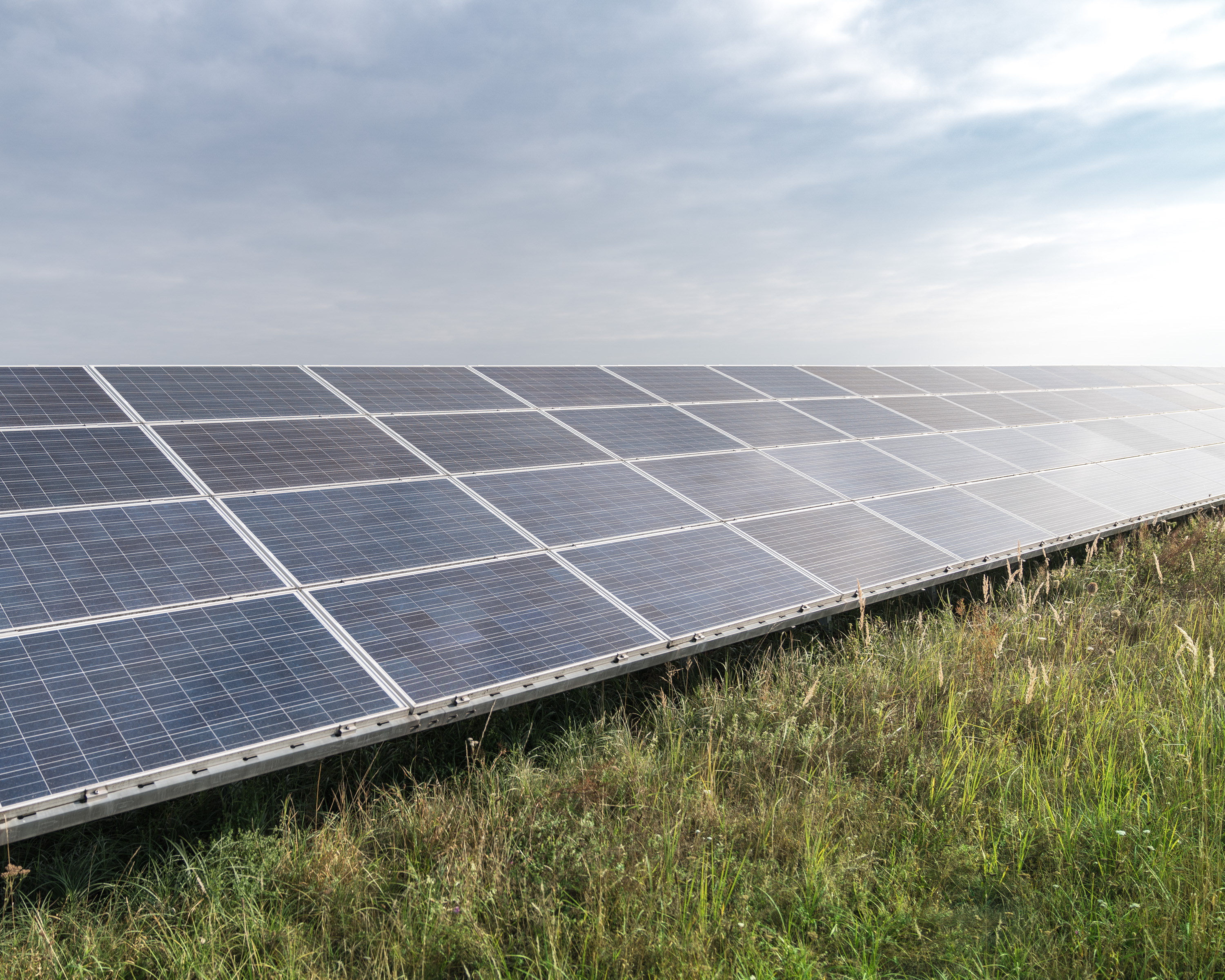
Less costs for photovoltaic systems

Foto: Agentur für Erneuerbare Energien

The costs for electricity from photovoltaic systems have fallen over the past 15 years. While a kilowatt-hour of electricity generated from solar energy still cost around 2 DM in 1995, today this is produced for 33 cent by new systems in solar parks. 


Series production, a considerable increase in the number of suppliers and consumers as well as leaps in technological development have made photovoltaics affordable. But this would not have happened without any start-up support at all. In the 1990s, progressive municipal utilities and local authorities enabled initial cost-effective, break-even operation of photovoltaic systems by paying a fixed tariff for each kilowatt hour of electricity which was fed into the network. The Renewable Energy Law (EEG) adopted this principle at federal level. It grants a fixed tariff for a period of 20 years. The feed-in tariffs reduce year on year so that manufacturers of photovoltaic systems constantly have to offer more cost-effective and efficient systems if they want to continue to find buyers. This innovation pressure has already paid off.  


Photovoltaics are quickly becoming competitive

From around 2015, the costs will have fallen so much that one kilowatt-hour of electricity generated from solar energy will cost less than the electricity price for the conventional kilowatt-hour from the socket. Anyone who harvests electricity themselves from their own roof thus creates the best insurance against further price rises and the shortage of fossil resources. Until this time support will continue to be necessary – and justified: 

- The allocation spreads the additional costs (approximately 1.5 bln euro in 2007) between all electricity consumers. An average household with a monthly electricity bill of 64.20 euro pays only around 1 euro per month for the photovoltaic contribution of the EEG (end consumer electricity price 22 ct/ kWh, 3,500 kWh annual consumption). Anyone who uses electricity more economically pays less. 

- Electricity generated from solar energy is an economic gain: By 2030 it will save around 28 billion euro in fuel costs and avoid climate and environmental damage with a value of over 16 billion euro. 

- The Allocation principle benefits domestic manufacturers and tradesmen. This promotes local added value. 

- Over 40,000 jobs have been created in the photovoltaic industry. This is forecast to rise to 110,000 jobs by 2020.


Falling feed-in tariffs have proven to be a cost-effective instrument for well-directed market introduction. The subsidy accusation has long since been invalidated: The European Court of Justice dismissed cases lodged against the EEG by several electricity suppliers. More than 40 countries have now adopted the German model of feed-in tariffs.


A household invests only one euro per month in electricity generated from solar energy.

64.20 € / month electricity bill


of which:

Taxes and charges

Electricity tax:          6.10 euro

VAT:                       10.20 euro

Concession charge: 5.30 euro

                              20.60 euro


of which:

Electricity generation

Electricity wholesale trade: 18.70 euro

EEG contribution, solar*:      1.00 euro

EEG contribution, other*:     1.10 euro

CHP** contribution:              0.90 euro

                                           21.70 euro


of which:

Sale and distribution

Network usage:               16.30 euro

Sales:                               2.30 euro

Measuring costs               2.30 euro

                                        20.90 euro