
Sun
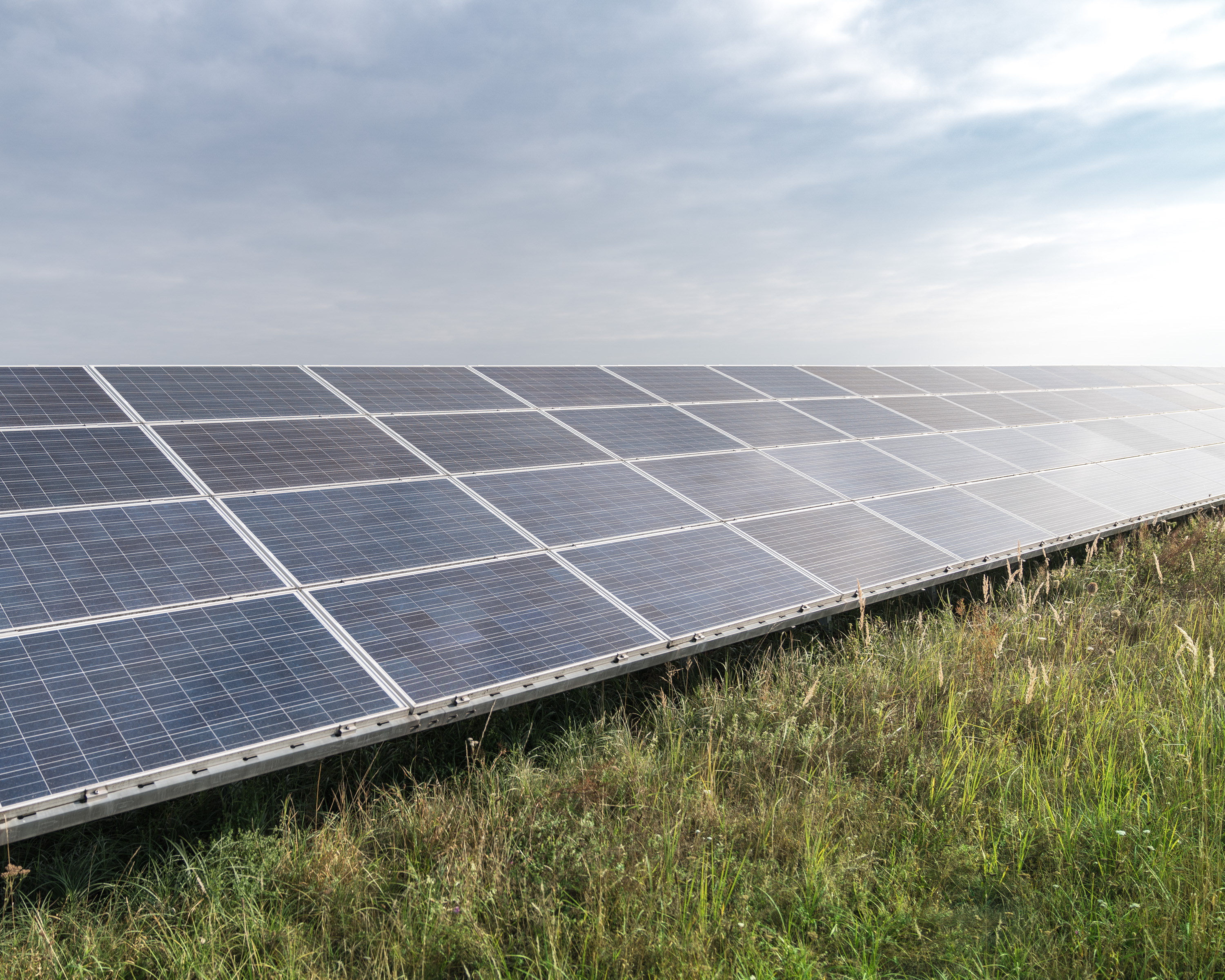 Both heat and electricity can be generated from the sun's radiation. The demand for photovoltaic and solar storage systems from property owners has experienced significant growth between 2019 and 2022, more than tripling during this period. Additionally, the total volume of installed photovoltaic (PV) capacity in the first four months of this year witnessed a notable increase of 51 percent. Looking ahead to the entire year, the BSW (German Solar Association) forecasts the installation of 9-11 gigawatts of new solar power capacity in Germany, surpassing the previous year's figure of 7.4 GW.
However, the solar thermal capacity that was newly installed reached 496 MW, showing an increase from the previous year's 448 MW (refer to the figure above). The proportion of evacuated tube collectors in the newly installed capacity amounted to 26 percent in 2022, a significant rise compared to the previous year's 18 percent. And in addition to this the heating industry sold 111,000 solar storage tank: Almost 57,000 of these were hot water cylinders.
Social Media