Die Erneuerbaren Energien haben sich zu einer der führenden
deutschen Technologiebranchen und einem bedeutenden Wirtschaftsfaktor entwickelt. Sie sorgen für Wachstum, regionale Wertschöpfung und Arbeitsplätze. Neben den eigentlichen Investitionen gibt es weitere wirtschaftliche Impulse: Betrieb und Wartung
haben positiven Einfluss auf andere Branchen, weil etwa die Betriebskosten für
Anlagenbetreiber entsprechende Umsätze für Zulieferer bedeuten. Der Ausbau der Erneuerbaren ist also entscheidend für den Wirtschaftsstandort Deutschland und für den Klimaschutz. (Foto: Ricardo Gomez/unsplash.com)
Bridging ambition and action, Alokananda Nath shows how cities can turn climate goals into socially grounded, investable solutions—by embedding finance and governance into everyday urban planning.
Weiterlesen »
Von der städtischen Governance bis zur Klimafinanzierung: Im Interview erklärt Alokananda Nath, wie Städte Klimarisiken meistern, soziale Teilhabe sichern und ambitionierte Ziele in konkrete, umsetzbare Projekte verwandeln.
Weiterlesen »
Damit die industrielle Transformation in Deutschland gelingen kann, braucht es Kommunen, die mit Herzblut an der Verbindung von wirtschaftliche Perspektiven und Klimaschutz arbeiten. Anklam unternimmt diesen Kraftakt innovativ und nachahmenswert.
Weiterlesen »
"Widerstände tauchen immer auf, wenn sich etwas im Wandel befindet", sagt Janine Schmidt-Curelli, Geschäftsführerin der kleVer - Klimaschutz- und Energieagentur Landkreis Verden gGmbH, im Gespärch. "Prinzipiell finde ich es auch gewinnbringend, mir die Bedenken der Menschen anzuhören und mich mit...
Weiterlesen »
Egal, welchen Beruf Sie nach der Schule erlernt haben. Wenn Sie leidenschaftlich gern im Bereich der Erneuerbaren Energien arbeiten möchten, dann wagen Sie den Schritt. Eine britische TV-Dokumentation weckte in der Chef-Hairstylistin Haidee Barclay aus Schottland den Wunsch, auf dem...
Weiterlesen »

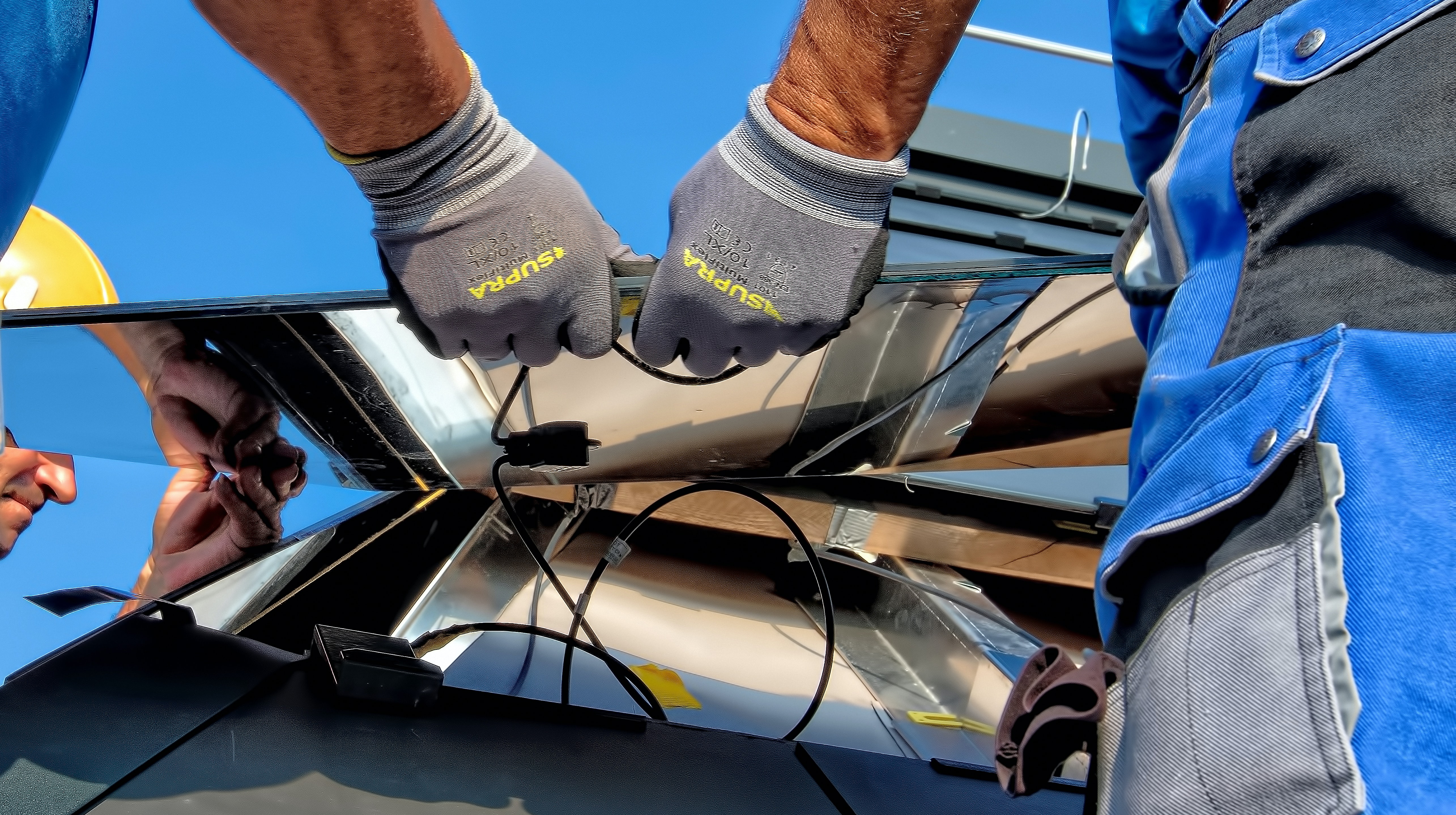 Die Erneuerbaren Energien haben sich zu einer der führenden
deutschen Technologiebranchen und einem bedeutenden Wirtschaftsfaktor entwickelt. Sie sorgen für Wachstum, regionale Wertschöpfung und Arbeitsplätze. Neben den eigentlichen Investitionen gibt es weitere wirtschaftliche Impulse: Betrieb und Wartung
haben positiven Einfluss auf andere Branchen, weil etwa die Betriebskosten für
Anlagenbetreiber entsprechende Umsätze für Zulieferer bedeuten. Der Ausbau der Erneuerbaren ist also entscheidend für den Wirtschaftsstandort Deutschland und für den Klimaschutz. (Foto: Ricardo Gomez/unsplash.com)
Die Erneuerbaren Energien haben sich zu einer der führenden
deutschen Technologiebranchen und einem bedeutenden Wirtschaftsfaktor entwickelt. Sie sorgen für Wachstum, regionale Wertschöpfung und Arbeitsplätze. Neben den eigentlichen Investitionen gibt es weitere wirtschaftliche Impulse: Betrieb und Wartung
haben positiven Einfluss auf andere Branchen, weil etwa die Betriebskosten für
Anlagenbetreiber entsprechende Umsätze für Zulieferer bedeuten. Der Ausbau der Erneuerbaren ist also entscheidend für den Wirtschaftsstandort Deutschland und für den Klimaschutz. (Foto: Ricardo Gomez/unsplash.com)

-Bearbeitet.jpg)


Social Media