Themen
Erneuerbare Energien sind in vielerlei Hinsicht relevant, sie wirken sowohl klimaschonend, demokratie- wie auch wirtschaftsfördernd. Zudem wird die Energie aus Sonne, Wind, Bioenergie, Geothermie und Wasserkraft in ganz unterschiedlichen Bereichen eingesetzt, sowohl zur Strom- und Wärmegewinnung als auch zur Sicherung von Mobilität. Auf den folgenden Seiten erhalten Sie einen Überblick über die vielfältige Welt der Erneuerbaren Energien.
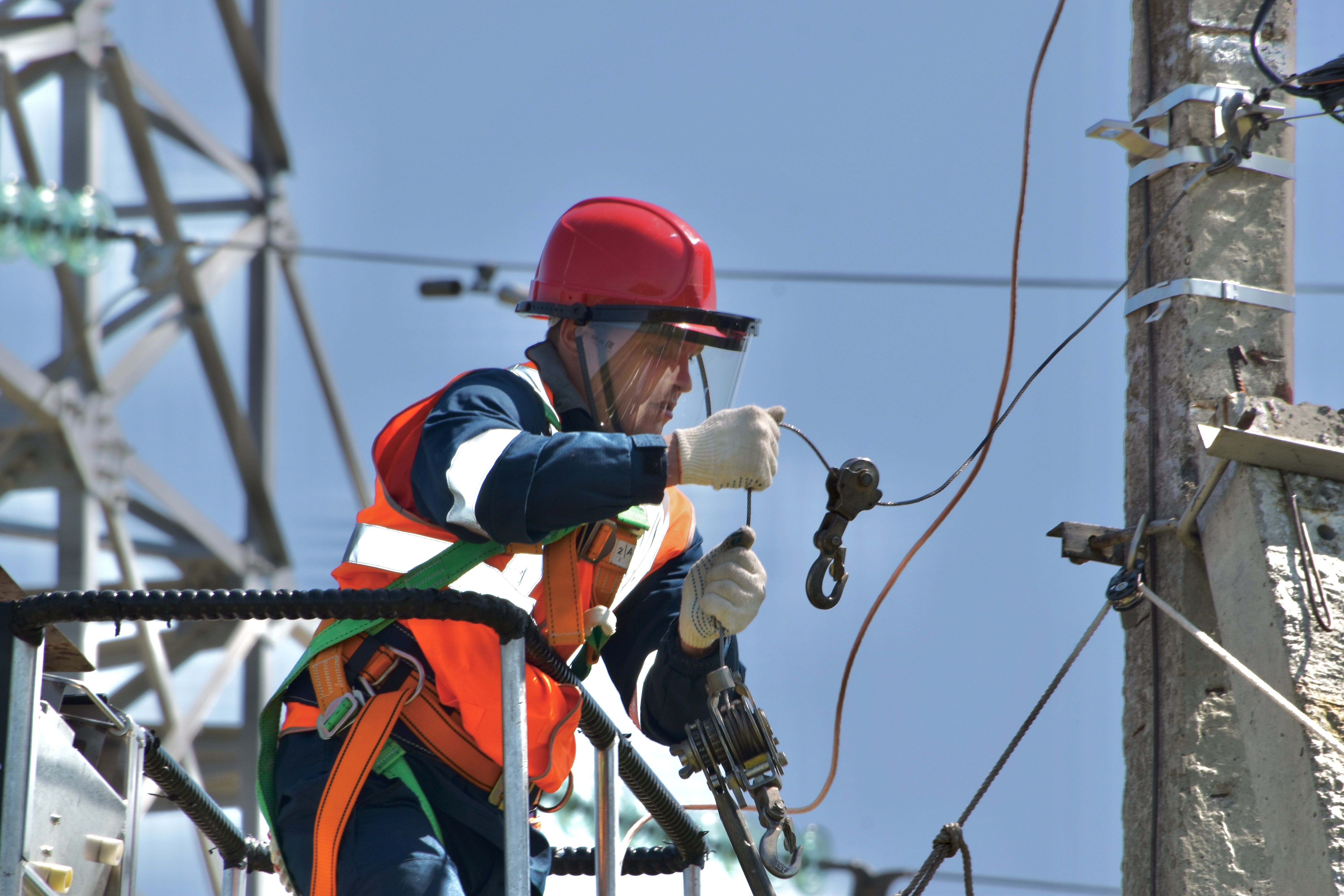 Strom sorgt für Licht, für den Betrieb von Haushaltsgeräten und Unterhaltungselektronik. Er wird aber auch zur Wärmeerzeugung genutzt und im Verkehr immer wichtiger. Deshalb wird der Strombedarf in den kommenden Jahren deutlich ansteigen. Neben der Steigerung der Energieeffizienz sowie dem Ausbau eines intelligenten digitalen Netzes müssen dafür auch Erneuerbare Energien noch stärker eingesetzt werden. Die Erzeugung von zunehmend regenerativem Strom erfordert zugleich effiziente Lösungen für dessen Speicherung bzw. Umwandlung. (Foto: Ehmitrich/unsplash.com)
 Gut die Hälfte des Energieverbrauchs in Deutschland entfällt auf die Erzeugung von Wärme - für Haushalte, Gewerbe oder Industrie. Noch wird ein Großteil der Wärmeenergie durch den Einsatz fossiler Brennstoffe wie Erdgas und Öl erzeugt. Um den Wärmesektor zu dekarbonisieren, gibt es verschiedene Technologien: mit einer Solarthermieanlage, einer Holzpelletsheizung oder einer Wärmepumpe. Siedlungen und Stadtteile können über Nahwärmenetze effizient mit Wärme aus Biogas, Holz oder Geothermie versorgt werden. Kommunen initiieren, investieren, gestalten und steuern diese Maßnahmen, um politische Energie- und Klimaziele zu erreichen. (Foto: Tracy Aadams/unsplash.com)
 Der Verkehr zählt zu den drei größten Treibhausgasverursachern Deutschlands. Um die Klimaziele im Verkehrssektor dennoch zu erreichen bedarf es der Verlagerung des Verkehrs Zug oder Fahrrad und auf den ÖPNV sowie der Dekarbonisierung von Kraftstoffen und der Umstellung auf alternative Antriebe. Im Schienenverkehr und bei batteriebetriebenen Fahrzeugen wie Elektroautos oder E-LKWs kann dafür beispielsweise der aus Erneuerbaren Energien erzeugte Strom direkt eingesetzt werden. Bisher machen aber vor allem Biokraftstoffe den größten Anteil Erneuerbarer im Verkehr aus: Bioethanol, Biomethan und Biodiesel. (Foto: Noqqe/unsplash.com)
 Erneuerbare Energien: ja bitte! Aber nicht vor der eigenen Haustür? Auch wenn die Proteststimmen laut sind, zeigen Umfragen, dass sich die überwältigende Mehrheit der Bürger*innen für eine Energieversorgung aus erneuerbaren Quellen ausspricht. Bei konkreten Projekten vor Ort hängt die Akzeptanz aber stark davon ab, wie die Anwohner*innen bei der Planung und Umsetzung beteiligt werden. Politische und wirtschaftliche Teilhabe an den Energiewendeprojekten in Form von beispielsweise regionaler Wertschöpfung oder finanziellen Beteiligungsmöglichkeiten sind von entscheidender Bedeutung. (Foto: Sidharth Bhatia/unsplash.com)
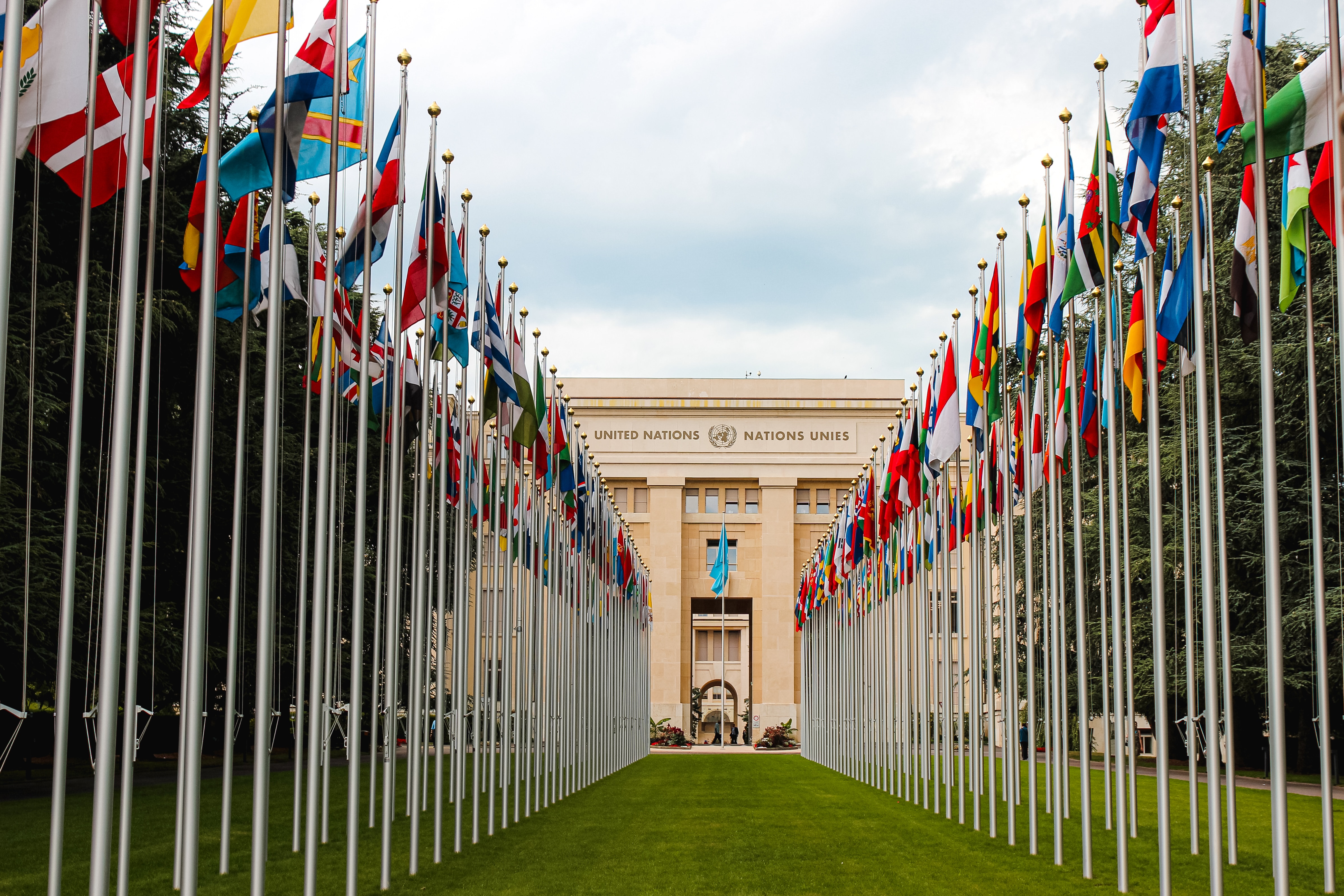 Der Schutz des Klimas und eine sichere Energieversorgung gehören zu den wichtigsten globalen Herausforderungen der Menschheit. Weltweit haben sich 144 Staaten eigene Ziele für den Ausbau der Erneuerbaren Energien gesetzt. 138 Staaten und Regionen setzen Politikmaßnahmen ein, um den Anteil Erneuerbarer Energien an der Energieversorgung zu erhöhen. Die Staaten der Europäischen Union haben sich verpflichtet, bis 2030 die Treibhausgasemissionen um 55 Prozent gegenüber 1990 zu reduzieren. (Foto: Mathias Reding/unsplash.com)
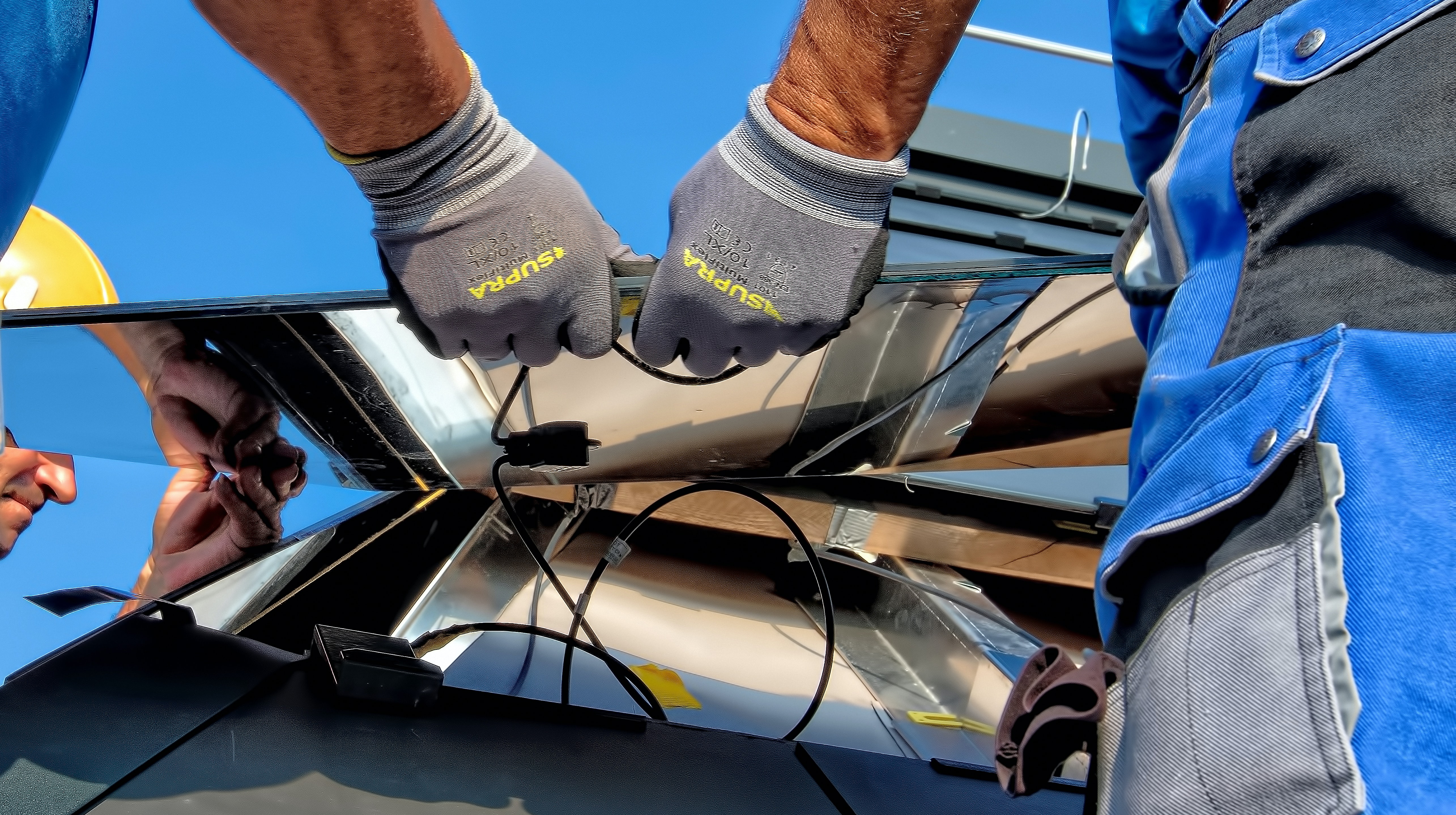 Die Erneuerbaren Energien haben sich zu einer der führenden
deutschen Technologiebranchen und einem bedeutenden Wirtschaftsfaktor entwickelt. Sie sorgen für Wachstum, regionale Wertschöpfung und Arbeitsplätze. Neben den eigentlichen Investitionen gibt es weitere wirtschaftliche Impulse: Betrieb und Wartung
haben positiven Einfluss auf andere Branchen, weil etwa die Betriebskosten für
Anlagenbetreiber entsprechende Umsätze für Zulieferer bedeuten. Der Ausbau der Erneuerbaren ist also entscheidend für den Wirtschaftsstandort Deutschland und für den Klimaschutz. (Foto: Ricardo Gomez/unsplash.com)
Die Erneuerbaren Energien haben sich zu einer der führenden
deutschen Technologiebranchen und einem bedeutenden Wirtschaftsfaktor entwickelt. Sie sorgen für Wachstum, regionale Wertschöpfung und Arbeitsplätze. Neben den eigentlichen Investitionen gibt es weitere wirtschaftliche Impulse: Betrieb und Wartung
haben positiven Einfluss auf andere Branchen, weil etwa die Betriebskosten für
Anlagenbetreiber entsprechende Umsätze für Zulieferer bedeuten. Der Ausbau der Erneuerbaren ist also entscheidend für den Wirtschaftsstandort Deutschland und für den Klimaschutz. (Foto: Ricardo Gomez/unsplash.com)![]()
 Um den Klimaschutz voranzutreiben, müssen Erneuerbare Energien ausgebaut werden. Unbestritten hat dieser Ausbau Auswirkungen auf Flora und Fauna, da die regenerativen Energiequellen mehr Fläche benötigen. Trotzdem ist dieser Eingriff in die Natur notwendig, weil langfristig nur durch eine Energieversorgung aus 100 Prozent Erneuerbaren Energien vermieden wird, dass gefährliche Schadstoffe ausgestoßen werden, die Auswirkungen auf Ökosysteme haben. Dafür müssen bei Planung und Umsetzung an den einzelnen Standorten der Natur- und Artenschutz mit der Energiewende in Einklang gebracht werden. (Foto: Padder/unsplash.com)
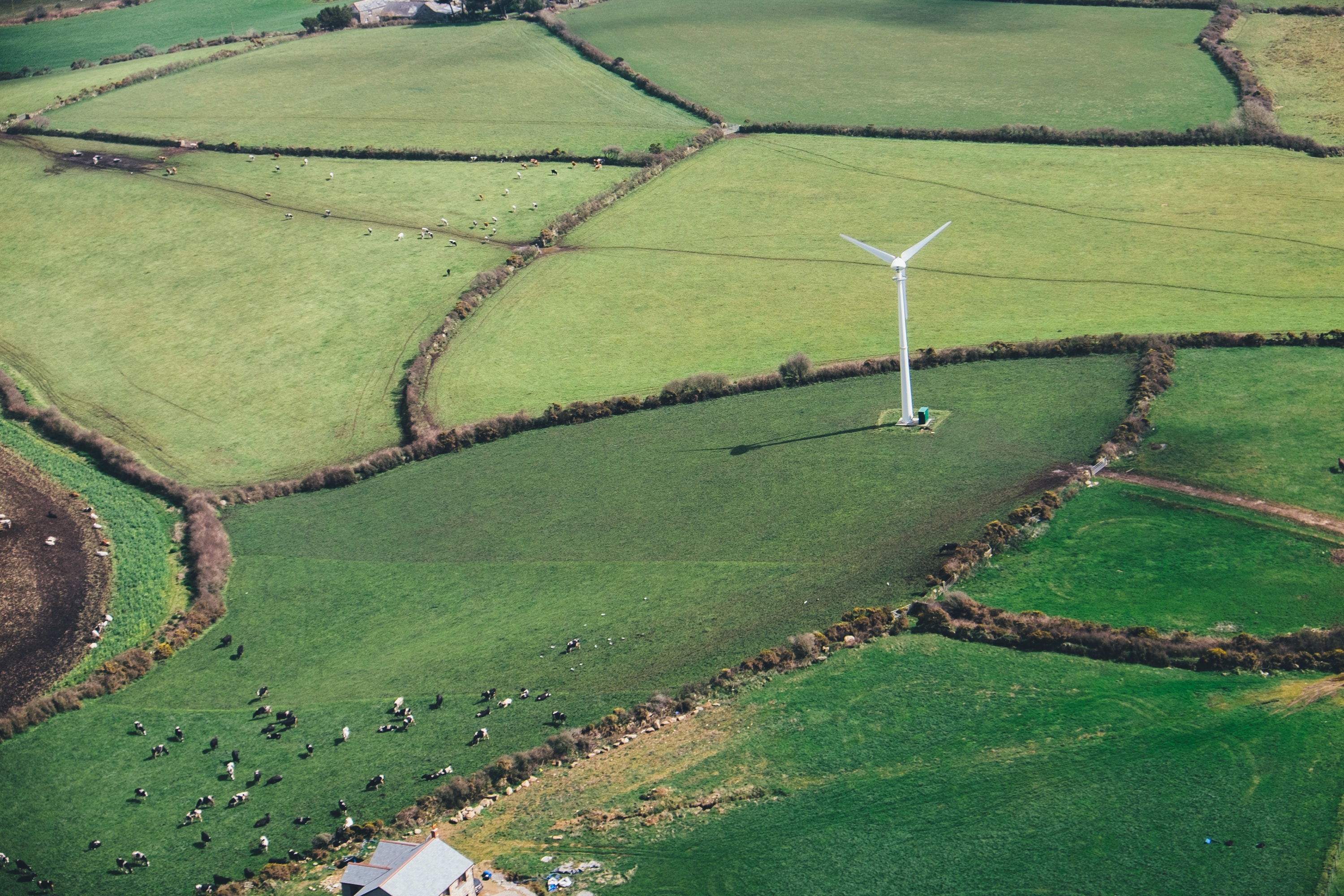 Die Landwirtschaft ist in besonderer Weise von Klimaschutz und Klimawandel betroffen.Einerseits ist sie eine bedeutende Quelle für Treibhausgasemissionen. Andererseits leistet sie durch Kohlenstoffbindung in Böden, Wäldern und Mooren (CO2-Senken) einen unverzichtbaren Beitrag zur Reduzierung der CO2-Emissionen in der Atmosphäre. Wichtige Klimaschützer sind zudem Erneuerbare Energien: Neben dem Flächenangebot für Solar- und Windenergie können Agrarbetriebe mittels Bioenergie fossile Brennstoffe in den Bereichen Strom, Wärme und Verkehr ersetzen. (Foto: Annie Spratt/unsplash.com)
 Wie können junge Menschen weiterhin aktiv die Energiewende unterstützen? Im Kampf für eine ressourcenschonende und nachhaltige
Gesellschaft kommt ihnen die wichtige Rolle zu, sich für eine Zukunft
einzusetzen, in der sie leben möchten. Bereits vor Fridays for Future waren junge Aktivist*innen stets
untrennbar mit Forderungen für nachhaltige Energiegewinnung,
Energiegerechtigkeit und Klimaschutz verbunden. Die Agentur für Erneuerbare Energien (AEE) möchte auf dieser Plattform Projekte für und von jungen Menschen, spannende Ideen und engagierte junge Menschen vorstellen. (Foto: Naassom-Azevedo/unsplash.com)
Wie können junge Menschen weiterhin aktiv die Energiewende unterstützen? Im Kampf für eine ressourcenschonende und nachhaltige
Gesellschaft kommt ihnen die wichtige Rolle zu, sich für eine Zukunft
einzusetzen, in der sie leben möchten. Bereits vor Fridays for Future waren junge Aktivist*innen stets
untrennbar mit Forderungen für nachhaltige Energiegewinnung,
Energiegerechtigkeit und Klimaschutz verbunden. Die Agentur für Erneuerbare Energien (AEE) möchte auf dieser Plattform Projekte für und von jungen Menschen, spannende Ideen und engagierte junge Menschen vorstellen. (Foto: Naassom-Azevedo/unsplash.com)
Die Branche der Erneuerbaren Energien entwickelt sich sehr dynamisch. Zahlen zu den Arbeitsplätzen im Bereich der Erneuerbaren Energien und den Entwicklungen in der Energiewirtschaft finden Sie in unserem Grafikbereich.
Unternehmen der Erneuerbaren Energien sind für viele ein attraktiver
Arbeitgeber. Die Mischung aus Technik und Wirtschaft und der Anspruch
auf aktiven Klimaschutz machen sie besonders interessant für junge
Menschen. Universitäten, Fachhochschulen und Unternehmen reagieren auf einen großen Fachkräftebedarf und schaffen stets neue Ausbildungsmöglichkeiten. Auch durch einen hohen Innovationsgrad und mit einer zunehmenden Internationalisierung eröffnen sich laufend neue Arbeitsfelder. Viele der neu entstehenden Arbeitsplätze liegen in den Bereichen Service, Montage, Planung und Beratung, sowie bei Produktion und Vertrieb. Entsprechend sind vor allem Ingenieur*innen und Fachpersonal mit technischer Ausbildung gefragt. Aber auch naturwissenschaftlich und kaufmännisch ausgebildete Fachkräfte werden gesucht. Die Anforderungen an die Bewerber*innen bleiben trotz des Mangels an qualifizierten Arbeitskräften hoch. Neben der klassischen Fachausbildung sind branchenspezifische Berufserfahrungen von zentraler Bedeutung. Fächerübergreifendes Wissen ist gefragt. Quereinsteiger*innen haben damit ebenso gute Chancen wie Spezialist*innen.![]()

Social Media